








How Scandinavian Textiles Elevate the Guest Experience: A Hotel Collaboration
See how Home by Ilse Jacobsen’s textiles, from percale bedding to luxury towels, enhance the guest experience in this boutique hotel collaboration.


Breathable bedding is often described, but rarely explained. Many people know when bedding feels too warm, fewer understand why.
Breathability is not a finish or a treatment. It is the result of fiber quality, weave structure, and material choices working together.
Breathable bedding allows:
Heat to escape
Air to circulate
Moisture to evaporate
This helps maintain a stable sleep temperature and reduces night-time discomfort.
Natural cotton fibers absorb moisture and release it gradually. This makes cotton especially suitable for bedding, unlike synthetic fibers, which tend to trap heat.
Long-staple cotton further improves breathability by creating smoother, stronger yarns with fewer breaks in airflow.
Thread count is often misunderstood. Higher numbers do not automatically mean better performance.
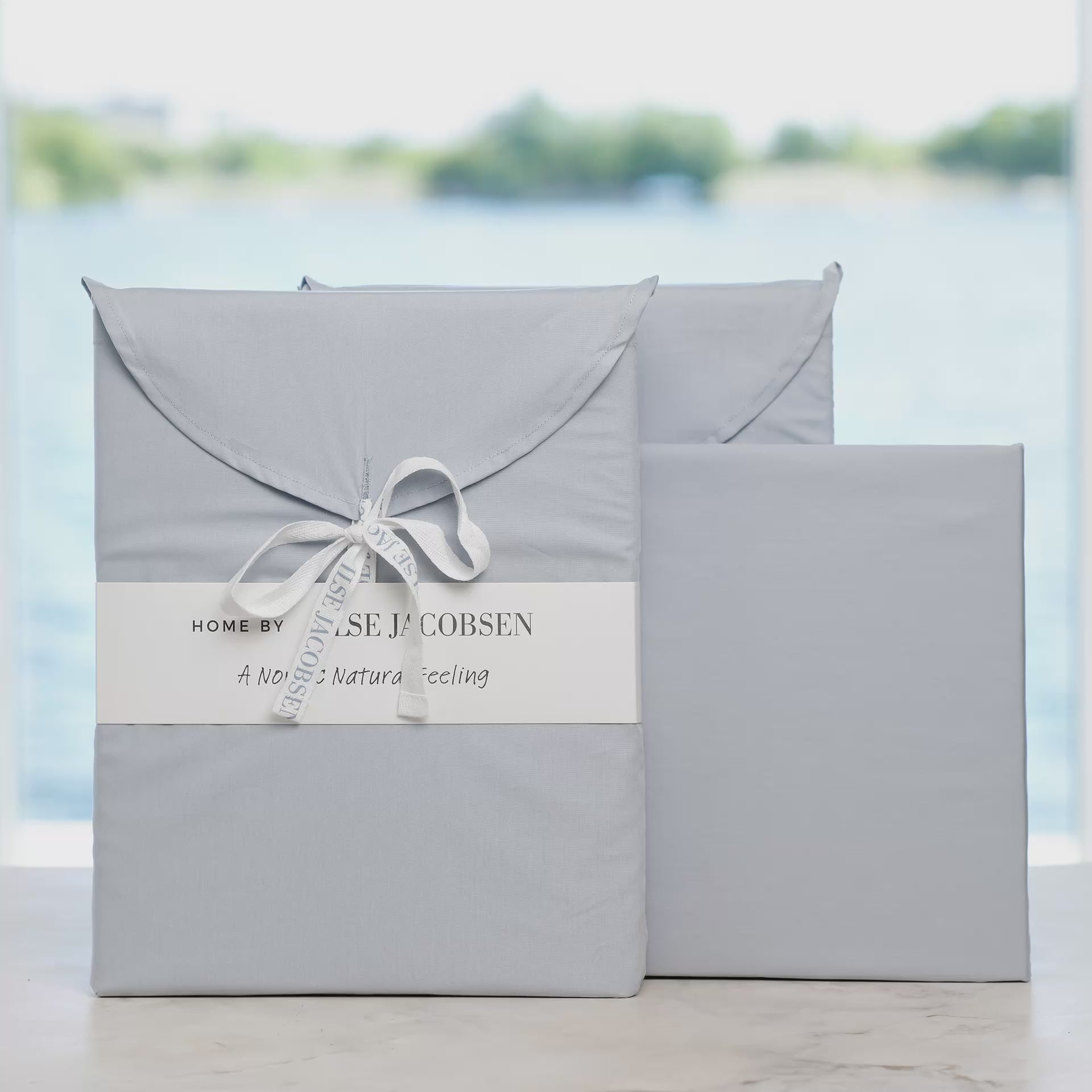
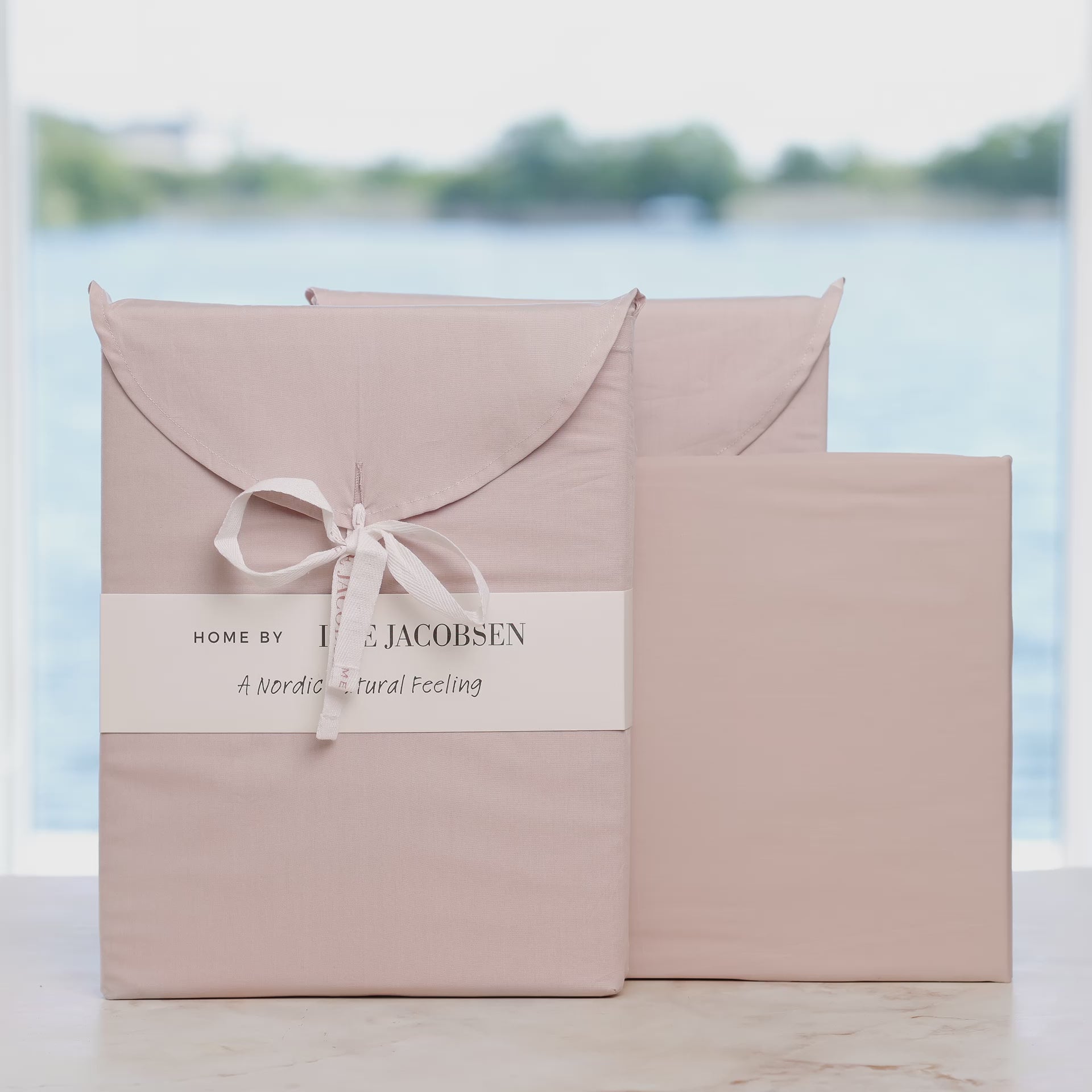
A percale weave, with its open structure, allows air to move freely between threads. This is why percale bedding often feels cooler and fresher, even with a moderate thread count.
In Nordic regions, bedding must adapt to:
Cool nights
Warm summers
Heated interiors
Breathable bedding supports thermal balance across seasons, reducing the need to switch materials throughout the year.
Well-designed bedding does not announce itself. It simply supports sleep by maintaining comfort without intervention.
Breathability is not something you see, it is something you feel over time.
Breathable bedding is engineered, not styled.
When cotton quality and weave structure are chosen intentionally, comfort follows naturally.

